Light pressure
The green doll plays with the player's light when the player is not looking. It moves closer in the dark, so the player learns that the light is not just atmosphere, but protection.

Fixed-camera psychological horror
The Three Dolls started with a practical design constraint: we had a short game-jam deadline, so the core idea had to be focused enough to finish but strong enough to create tension quickly. We continued with a FNAF-inspired setup where the player is locked in place and hunted by three dolls.
The result is a fixed-perspective horror game where every threat is readable from one room. The player has to survive until dawn by listening, watching the environment, and learning how each doll behaves.
Keep the player locked in place and make the room itself the play space.
Gameplay flow, doll logic, the lamp interaction, and team version control.
Escalate pressure without overwhelming the player with all mechanics at once.
Early on, I created a quick prototype so the team could align on the feel of the game. This helped us test the fixed-point perspective, the player view limits, and how the main interaction areas would sit around the player.
Once the dolls became the antagonists, the next challenge was making each one distinct. Their colors helped separate them visually, but the important part was giving every doll its own hunting style and area of the room.
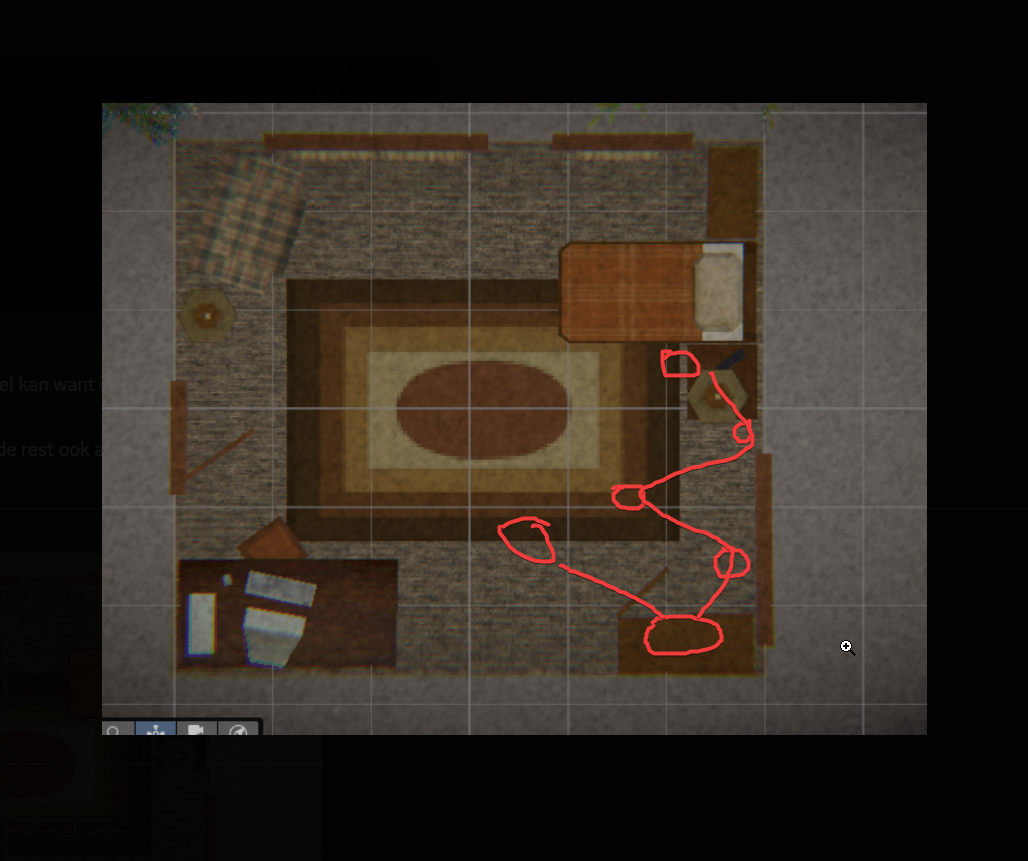
Each doll is introduced through its own area. The blue doll becomes active when the door opens, the green doll becomes active when the closet opens, and the red doll becomes active after a thunder strike.
The green doll plays with the player's light when the player is not looking. It moves closer in the dark, so the player learns that the light is not just atmosphere, but protection.
The blue doll starts outside the room and runs toward the player. Loud thuds get closer over time, pushing the player to keep checking the dark doorway.
The red doll knocks on the window and waits for the player to look at it. If the player misses it, the doll disrupts the view and creates an opening for the other dolls.
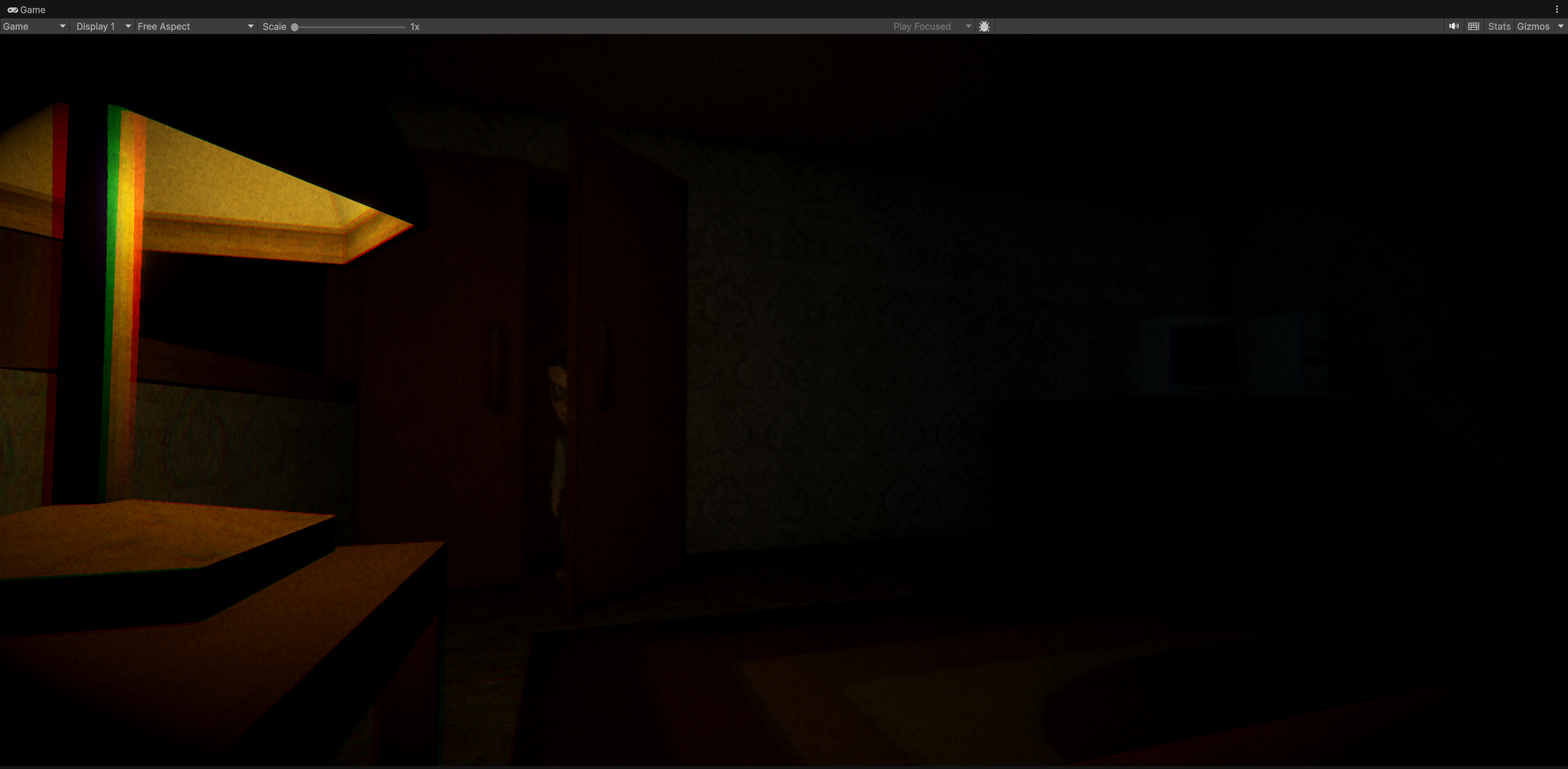
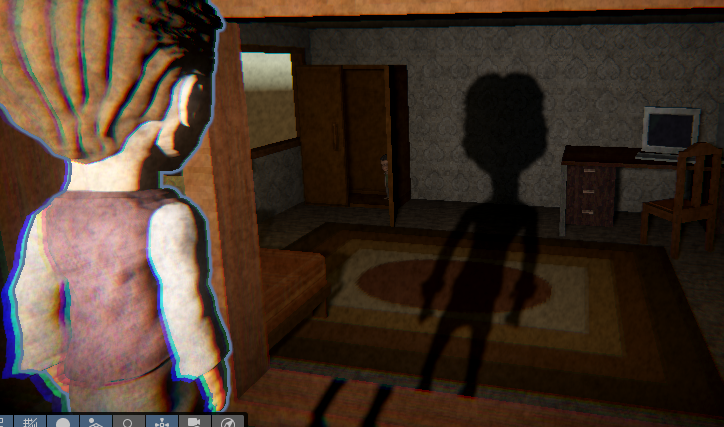
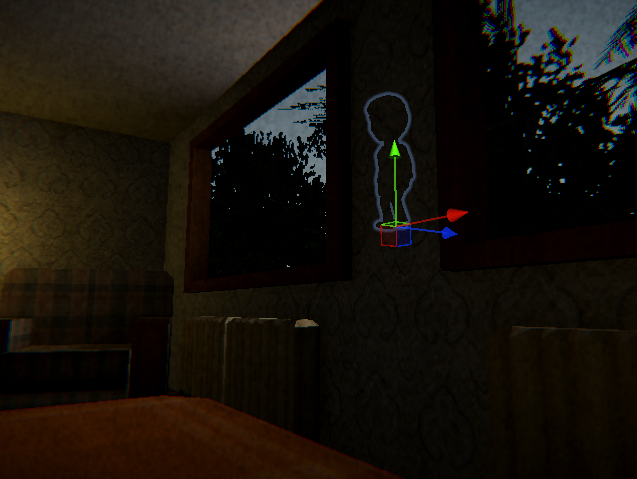
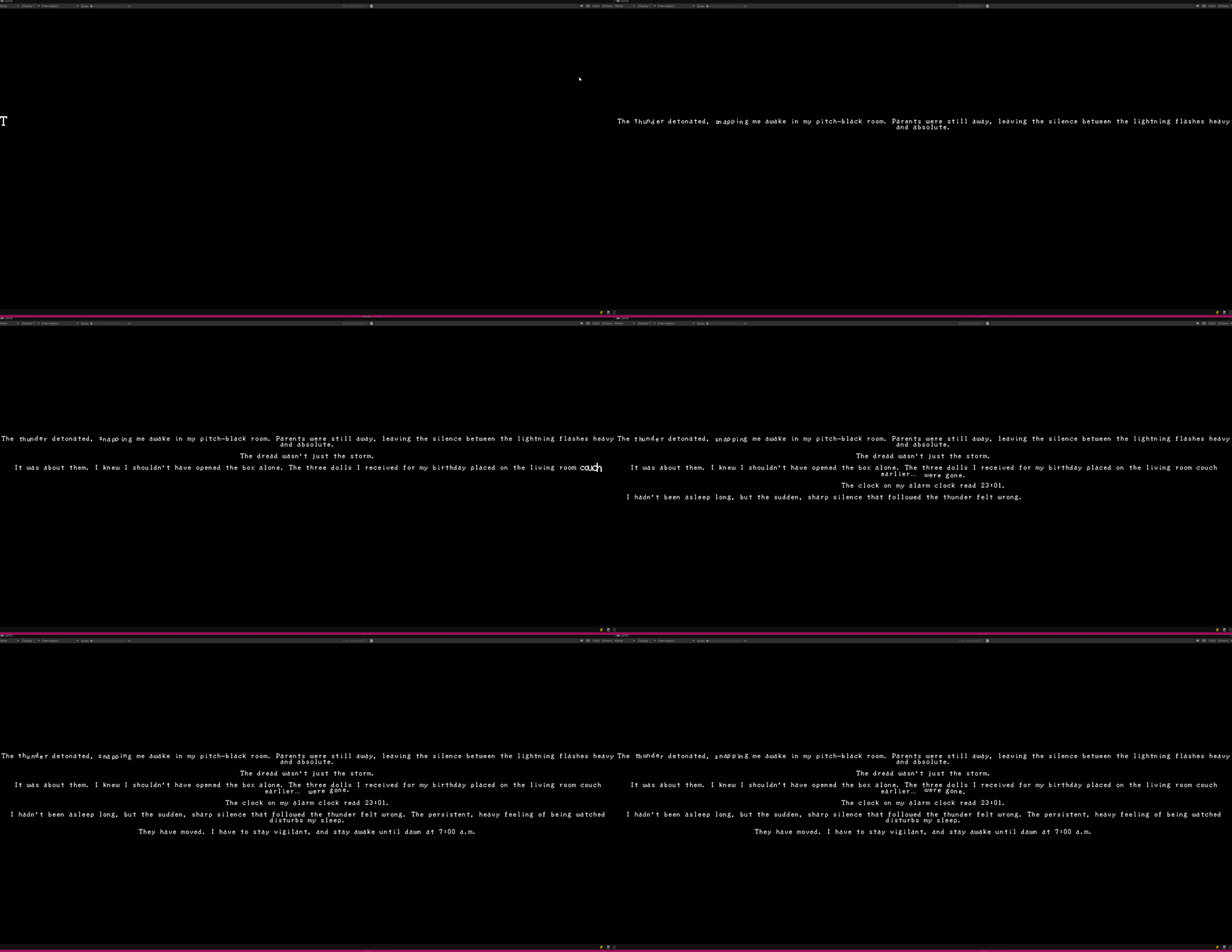
We kept the story simple because game-jam players usually spend only a few minutes with each game. A short preface gives context before the player starts, while players who want to jump straight into the action can skip it.
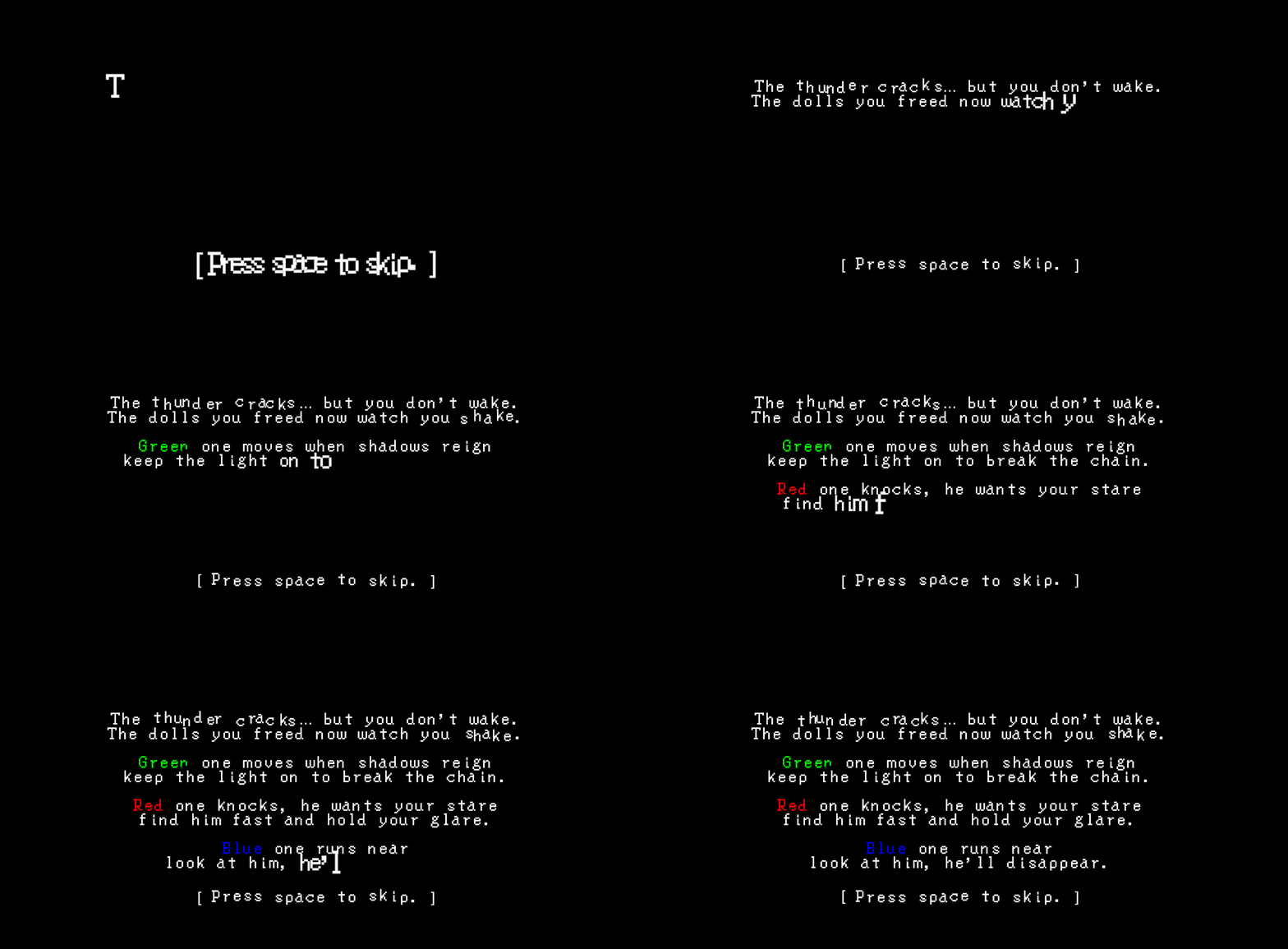
We avoided explaining every mechanic upfront. Instead, the player learns through escalation, repeated tells, and death hints. The postface sequence gives a rhyme that points toward what each doll does and how the player can counter it.
This project was especially interesting because it was not only a programming challenge. A lot of the work was about game design, how to build a tension curve, how to introduce mechanics without chaos, and how to keep the player engaged while they are physically locked in one position.
Loading portfolio…